EPYC vs Xeon for Custom Servers in India (2026 Guide)
By ProStation Systems Team ·
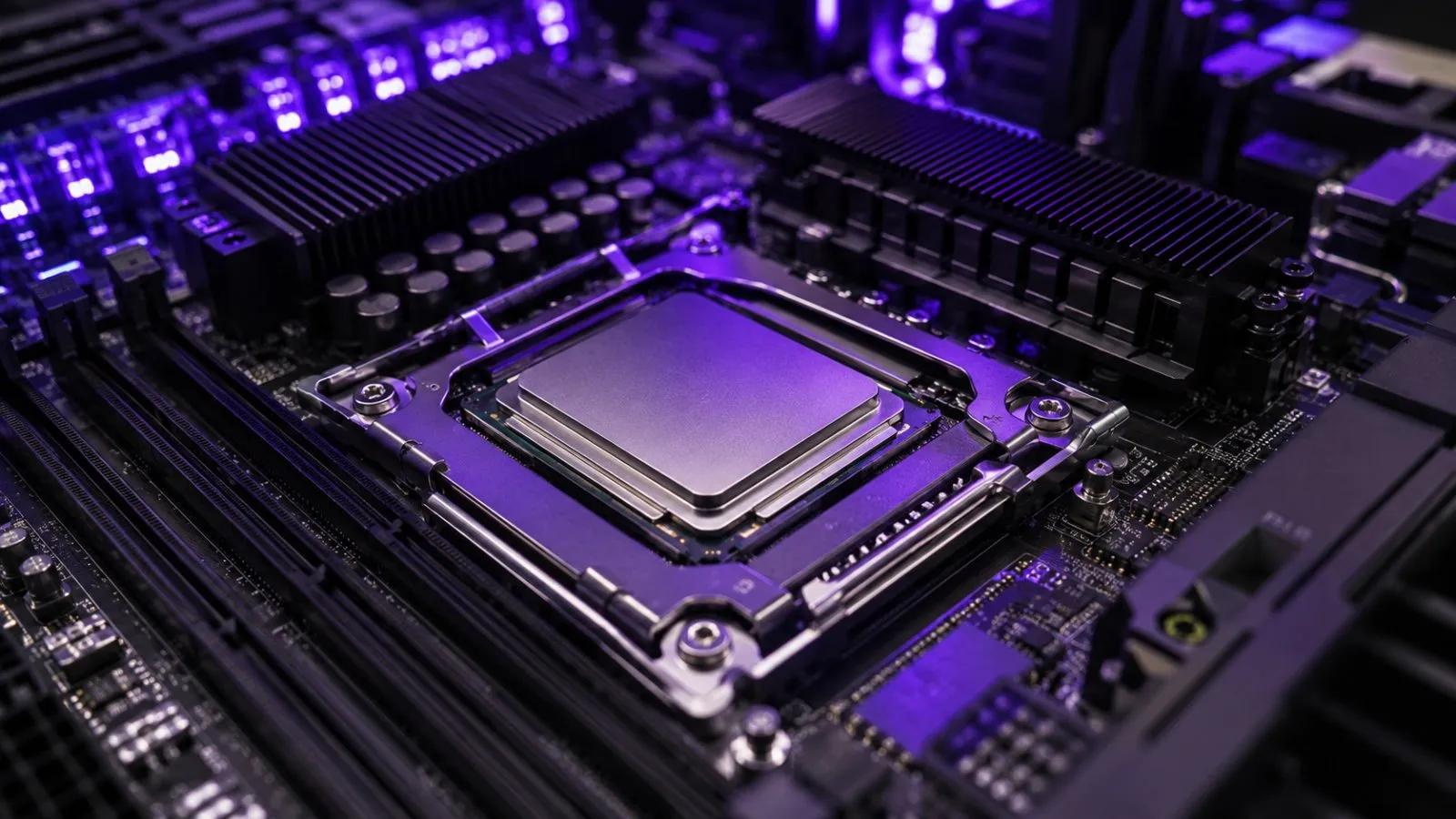
Choosing between AMD EPYC and Intel Xeon isn't a brand preference — it's a workload decision, and getting it wrong means either overpaying for cores you don't use or bottlenecking a build that needed more memory bandwidth than it got. Here's how the two platforms actually differ for a custom-built server in 2026, and which one fits which job.
Core count and multi-threading: EPYC's clearest edge
AMD EPYC processors ship with significantly higher core counts at a given price point than comparable Intel Xeon parts — a mid-range EPYC chip commonly offers 32–64 cores where an equivalently priced Xeon Scalable part sits closer to 24–32. For workloads that scale cleanly across many threads — virtualization hosts running dozens of VMs, parallel rendering, batch data processing — that core density translates directly into more work done per rupee spent on CPU.
The gap narrows at the very top of each lineup, where Intel's highest-core-count Xeon parts close in on EPYC, but you pay a steep premium to get there. For most custom builds we spec, mid-tier EPYC delivers more usable cores per budget than mid-tier Xeon.
Per-core performance: Xeon still wins some fights
Core count isn't the whole story. Intel Xeon generally holds a per-core clock speed and single-thread performance edge, which matters for workloads that don't parallelize well — some legacy enterprise applications, certain database engines, and software licensed per-socket rather than per-core (where fewer, faster cores can genuinely cost less to license). If your workload is bottlenecked by single-thread speed rather than total throughput, Xeon's per-core advantage can outweigh EPYC's core-count lead.
Memory bandwidth and PCIe lanes: the number that actually determines your GPU build
This is where the comparison matters most for AI/ML and multi-GPU builds, and it's the factor most buyers underweight. EPYC platforms typically expose substantially more PCIe lanes and memory channels than comparable Xeon platforms — which directly determines how many GPUs, NVMe drives, and high-speed network cards a single server can run at full bandwidth without contention.
For a build with 2–4 GPUs plus multiple NVMe drives, an EPYC platform is frequently the only realistic way to give every card and drive the lane count it needs simultaneously. This is a big part of why EPYC has become the default platform choice for AI training and inference servers across the industry — not clock speed, lane count.
Pricing in India: what actually moves the number
Neither platform is categorically cheaper — the CPU itself is usually a smaller share of total build cost than the GPU, RAM, or storage configuration around it, especially on an AI/ML training server build. As a rough starting point for a single-socket custom server: entry-tier EPYC and Xeon configurations land in a broadly similar range, with EPYC pulling ahead on price-per-core as core count rises, and Xeon holding steadier per-core pricing at the high end. Exact pricing depends on your specific configuration — see our full AI training server cost guide for a tier-by-tier breakdown, or talk to us for a real quote rather than budgeting off a generic number.
Which platform for which workload
- AI/ML training & inference — EPYC, almost always. PCIe lane count and memory bandwidth for multi-GPU builds is the deciding factor.
- Virtualization hosts — EPYC, for the core-density advantage across many VMs. See our virtualization server builds.
- 3D rendering / video encoding — either platform works well; EPYC generally wins on raw parallel throughput per rupee.
- Legacy enterprise software with per-socket licensing, or single-thread-bound applications — Xeon's per-core performance can be the more cost-effective choice once licensing is factored in.
- HPC / simulation workloads — depends heavily on the specific software's threading model; worth a direct conversation before committing.
Our honest recommendation
If you're unsure, EPYC is the safer default for most modern workloads in 2026 — more cores, more lanes, better multi-GPU scaling, competitive pricing. Xeon earns its place on specific, identifiable cases: per-core licensing costs, single-thread-bound legacy software, or an existing Intel-certified software stack. We build both platforms to order at ProStation Systems, and we'll tell you honestly which one fits your actual workload rather than pushing whichever has better margins.
Frequently Asked Questions
Is AMD EPYC reliable for enterprise production workloads? Yes — EPYC has been shipping in enterprise and hyperscale data centers for several generations now and is a mature, widely-deployed platform, not an experimental choice.
Can I mix EPYC and Xeon servers in the same environment? Yes, this is common — many businesses run EPYC for GPU/compute-heavy workloads and Xeon for legacy or licensing-sensitive applications side by side.
Does platform choice affect warranty or support? No — every custom build from ProStation Systems ships with the same testing and warranty coverage regardless of CPU platform.
Which platform is better for a tight budget? For most workloads, EPYC gives more usable performance per rupee at the mid-tier, where most custom builds actually land.
Can I upgrade the CPU later if I choose wrong? Generally no — EPYC and Xeon use different sockets and platforms, so this decision effectively locks in your motherboard, RAM type, and expansion options. That's exactly why we recommend a spec conversation before committing.
Not sure which platform fits your workload?
Tell us what you're actually running, and we'll recommend EPYC or Xeon honestly — then build and test the machine before it ships. ProStation Systems — call or WhatsApp +91-87968-22044, free pre-buy consulting at prostationsystems.com/consulting.